
My Take as Someone Who’s Tired of the Clock Changes
I’ve always found it odd how we mess with our clocks twice a year like it’s no big deal. Spring forward, fall back—those phrases are as familiar as the groggy feeling that hits after we lose an hour in March. As someone who lives in a world where work, family, and sleep already pull us in a million directions, I’ve paid attention to the ongoing debate about Daylight Saving Time (DST). Is it a helpful tradition that gives us brighter evenings, or is it an outdated practice causing more harm than good? I’ve looked into the history, the arguments on both sides, the science, and what people actually think. Here’s my straightforward take on why this topic keeps coming up and why it matters to everyday folks like us.
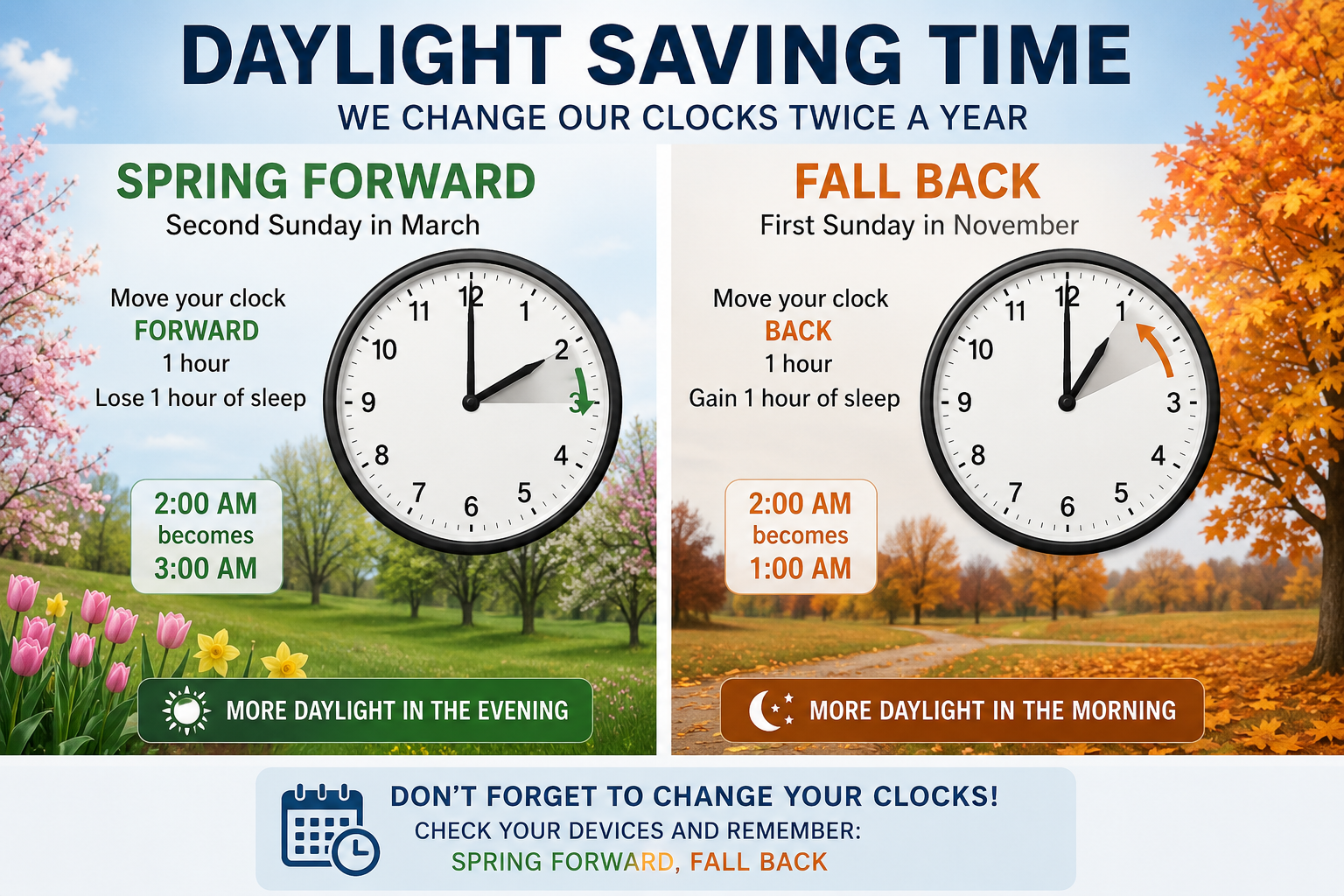
First, a quick bit of background so we’re all on the same page. The idea of shifting clocks to make better use of daylight isn’t new. Benjamin Franklin floated something like it back in the 1700s as a joke about saving candles, but it didn’t catch on seriously until World War I. Countries adopted it to save energy during wartime by reducing the need for artificial lights in the evenings. In the U.S., it became law in 1918, got repealed, came back during World War II year-round, and settled into the twice-a-year switch we know today. Now, most of the U.S. (except Hawaii and most of Arizona) springs forward on the second Sunday in March and falls back on the first Sunday in November.
The main pitch for keeping DST has always been pretty simple and appealing: more light in the evening. When we move the clocks ahead in spring, sunset gets pushed later, so after a long day at work or school, you’ve got extra time for outdoor stuff—playing with the kids in the yard, going for a run, or grabbing dinner on a patio. That sounds great, especially in summer. Supporters say it boosts the economy because people are out spending money later, hitting up stores, restaurants, and sports events. There’s talk of fewer accidents in the evening because it’s lighter, and maybe even some energy savings from less lighting use. Businesses like retailers and golf courses have historically pushed for it. For a lot of people, those longer, brighter evenings just feel better for mental health and quality of life.
On the flip side, critics point out that the original energy-saving goal doesn’t hold up well anymore. Modern studies show mixed or minimal savings—sometimes none at all, or even increased energy use because people run air conditioners longer in the evenings or heat up houses differently in the mornings. In places with hot summers, like parts of Arizona, they ditched DST partly because it made cooling costs worse. Farmers have never been big fans, since their schedules follow the sun more than the clock, and darker mornings can mess with livestock routines.
What really gets people’s attention these days is the health side of things. Losing an hour of sleep in the spring isn’t just annoying—it has real effects. Research links the spring switch to a spike in heart attacks, strokes, workplace injuries, and car crashes right after the change. One study estimated the economic cost from these health issues at hundreds of millions of dollars a year in the U.S. alone. Our bodies run on a natural circadian rhythm tied to light and dark, and suddenly shifting the clock throws that off. People feel more tired, moody, or less productive for days or even weeks. Kids struggle with school schedules, and shift workers or folks with sleep issues get hit harder. The fall change, when we gain an hour, is easier, but the twice-yearly flip still disrupts routines.
I remember reading about how even small sleep losses add up. On the Monday after springing forward, there’s more “cyberloafing” at work—people zoning out online instead of focusing—and more mistakes. Courts hand out harsher sentences on those days, which some researchers tie to judges being a bit off from poor sleep. It’s wild how one hour can ripple through society like that.
Public opinion has shifted over time. Older polls showed strong support for DST, but recent ones tell a different story. Many Americans are fed up with the changes. Gallup found over half want to ditch the practice. Other surveys show only a small percentage like the current back-and-forth system, with preferences split between permanent DST (more evening light) and permanent standard time (better morning light and health alignment). Doctors and sleep experts often lean toward permanent standard time because it better matches our biology—getting natural light earlier in the day helps set our internal clocks properly.
The debate gets even more interesting when you look at what other places are doing. Many countries have dropped the clock changes entirely—Russia, Mexico (most of it), and several others decided the hassle wasn’t worth it. In the U.S., states like Maine and others have passed laws wanting permanent DST, but they need federal approval to make it stick. There’s been talk in Congress about the “Sunshine Protection Act” to make DST year-round, but it hasn’t passed, partly because medical groups push back, saying standard time is healthier long-term. Some places in Canada have also moved away from it. It feels like momentum is building toward ending the switches, but there’s no full agreement on what to replace them with.
As I weigh this all out, the arguments for DST make sense on the surface—especially if you love those long summer evenings. Who wouldn’t want more time outside after work? But the evidence against the twice-yearly changes is pretty convincing when it comes to health, safety, and even net economic impact. The productivity losses, medical costs, and sleep disruption seem to outweigh the benefits for a lot of people. Permanent standard time might feel dark in winter evenings, but it could mean fewer health issues overall and schedules more in sync with the sun. Permanent DST has its fans for the evening light, but mornings could be tough, especially for kids heading to school in the dark or commuters driving at dawn.
Personally, I’ve come around to thinking we should stop the clock fiddling. The original reasons—wartime energy savings—don’t fit our world anymore. We have better ways to manage energy, and modern life with screens and flexible work already messes with sleep enough without extra clock changes. Ending the switches would bring consistency, which most of us crave. Whether we land on standard or DST year-round is a tougher call and would need real study and compromise across states and industries. But the status quo of springing forward and falling back feels increasingly silly and unnecessary.
One thing that stands out is how this debate cuts across politics and lifestyles. It’s not a left or right issue—it’s about what works for families, workers, farmers, businesses, and our bodies. Parents worry about school start times and sleepy kids. Businesses weigh customer traffic against employee alertness. Scientists bring data on heart risks and accidents. Everyday people just want to feel rested and make the most of their days.
In the end, after digging into the pros, cons, history, and real-world effects, I believe it’s time for change—not the clock kind, but policy change. We deserve a system that supports health and practicality over outdated tradition. The debate will keep going until lawmakers listen to the science and public frustration. For now, I’ll keep adjusting my clocks and hoping for a permanent fix that lets us all enjoy daylight without the biannual headache.
Bibliography and Sources
– Britannica: Daylight Saving Time Pros and Cons Debate.
– TimeandDate.com: The Pros and Cons of Daylight Saving Time.
– Wikipedia: Analysis of Daylight Saving Time.
– Johns Hopkins Public Health: 7 Things to Know About Daylight Saving Time.
– U.S. Naval Observatory: Daylight Saving Time History.
– Gallup Poll on Daylight Saving Time Opinions.
– NPR and other reports on state actions and health impacts.
– Various studies cited in Chmura Economics, PMC articles, and National Geographic on health and economic costs.
These sources represent a range of perspectives from scientific, governmental, media, and polling outlets to ensure balance.
Be First to Comment