
Explaining the Federalist Papers: Why They Still Matter Today
The Federalist Papers are among the most important political writings in American history. Yet many people have heard of them without fully understanding what they are, why they were written, or why they continue to be discussed more than two centuries later. Despite their reputation as difficult historical documents, the basic ideas behind the Federalist Papers are surprisingly straightforward. At their core, they are a series of essays written to explain and defend the United States Constitution and to persuade Americans that the new system of government would work.
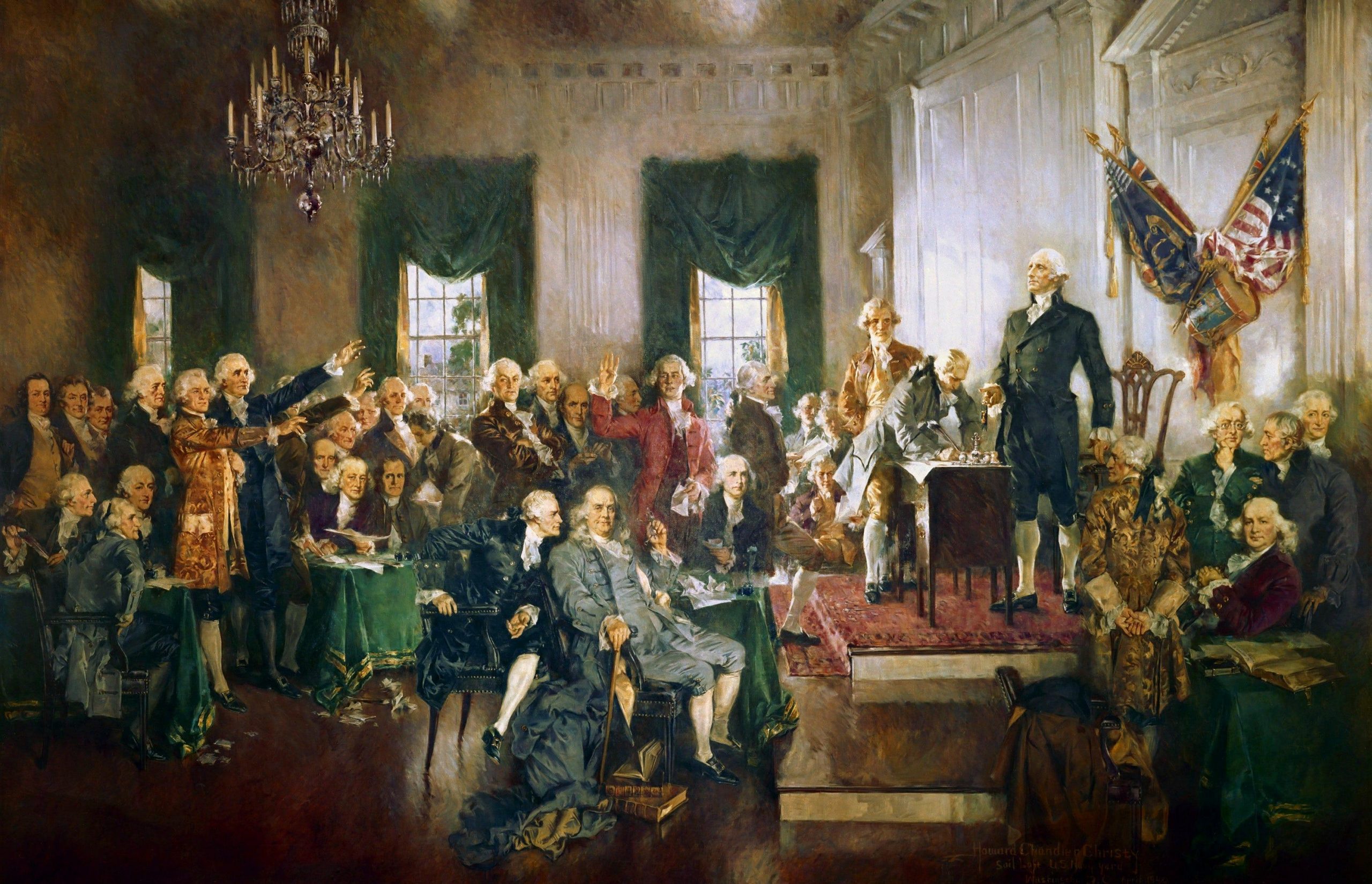
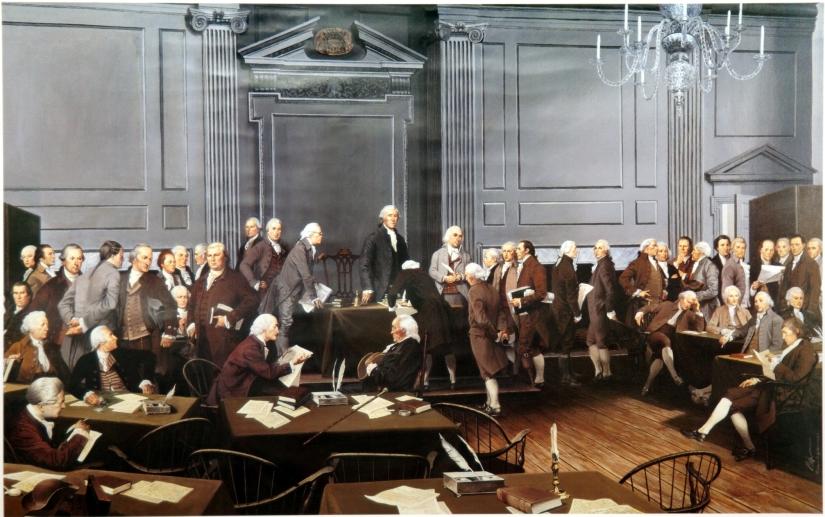
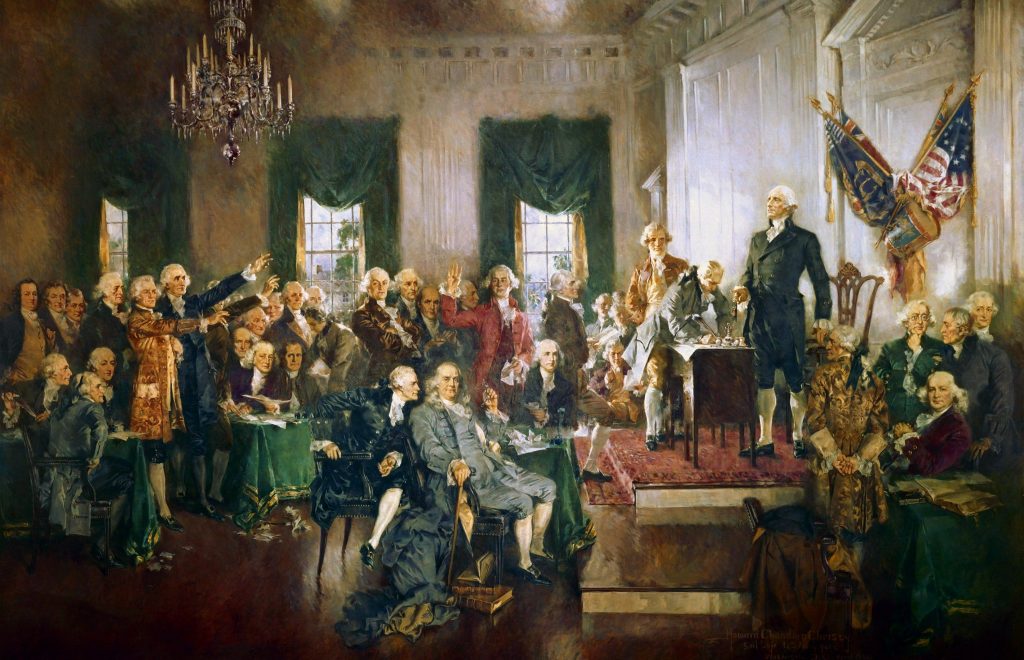
The Federalist Papers were written between 1787 and 1788 by Alexander Hamilton, James Madison, and John Jay. Together, they produced 85 essays under the pen name “Publius.” The essays were originally published in New York newspapers while the states were debating whether to approve, or ratify, the newly proposed Constitution. Their immediate goal was simple: convince citizens and state leaders that the Constitution should replace the Articles of Confederation, which had served as the nation’s first governing framework after independence from Great Britain.


To understand why the Federalist Papers were necessary, it helps to understand the situation facing the United States at the time. The American Revolution had been won, but the new nation faced serious challenges. Under the Articles of Confederation, the federal government had limited authority. It could not effectively collect taxes, regulate trade among the states, or enforce many of its decisions. States often acted independently, and many leaders worried that the young nation might eventually break apart.
The Constitution proposed a stronger national government. However, many Americans feared that a stronger federal government could threaten personal freedoms and the independence of the states. Opponents of the Constitution, often called Anti-Federalists, argued that too much power would be concentrated in the hands of a central government. Supporters of the Constitution believed that a stronger federal system was necessary for stability, security, and economic growth.
The Federalist Papers were written to address those concerns. Rather than simply telling people to support the Constitution, Hamilton, Madison, and Jay attempted to explain how the proposed government would function and why it would protect liberty rather than destroy it.
One of the most famous essays is Federalist No. 10, written by James Madison. In this essay, Madison discussed what he called “factions.” A faction is a group of people united by a common interest or opinion that may conflict with the interests of others. Madison believed that factions were unavoidable because people naturally have different beliefs, occupations, and goals. The challenge was not eliminating factions but preventing any one faction from gaining too much power.
Madison argued that a large republic could actually protect freedom better than a small one. In a larger nation, there would be many different groups competing and balancing one another. This diversity would make it harder for a single faction to dominate the government. Today, Federalist No. 10 is often cited in discussions about political parties, interest groups, and democratic government.
Another influential essay is Federalist No. 51, also written by Madison. This essay introduced one of the most famous ideas in American government: checks and balances. Madison recognized that people are imperfect and that government officials are no exception. Because of this, he argued that power should not be concentrated in a single person or institution.
Instead, the Constitution divided power among three branches of government: the legislative branch, the executive branch, and the judicial branch. Each branch would have certain powers that could limit the others. Madison famously argued that government should be designed so that “ambition must be made to counteract ambition.” In simple terms, he believed that people in government would naturally seek power, so the system should be structured to prevent any one group from becoming too powerful.
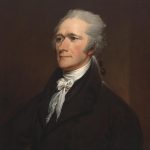
Alexander Hamilton focused many of his essays on the practical needs of government. He argued that the nation required an effective federal government capable of maintaining order, defending the country, and carrying out laws. Hamilton often emphasized the weaknesses of the Articles of Confederation and explained why the Constitution offered a more stable framework.
Hamilton also defended the presidency. Some Americans worried that a president might become similar to a king. Hamilton argued that a single executive could provide energy, accountability, and leadership while remaining subject to constitutional limits. His essays on executive power continue to influence discussions about the role of the presidency today.
John Jay contributed several essays dealing primarily with foreign affairs and national unity. He argued that a united nation would be better equipped to defend itself against foreign threats and avoid conflicts among the states. Jay believed that a strong union would make America safer and more respected internationally.
The Federalist Papers also addressed broader questions about human nature and government. The authors generally assumed that people are motivated by self-interest and that political systems should be designed with that reality in mind. Rather than expecting leaders to be perfect, they believed government institutions should include safeguards against abuse of power.
This practical view of politics remains one reason the Federalist Papers continue to be studied. The authors were not describing an ideal society where everyone always acts wisely or fairly. Instead, they were attempting to create a system that could function effectively even when people disagreed, competed, or pursued their own interests.
The immediate impact of the Federalist Papers is difficult to measure precisely. Historians continue to debate how much they influenced the ratification process. However, there is little doubt that the essays helped explain the Constitution to the public and provided a detailed defense of the proposed government. Over time, their importance grew even further.
Today, the Federalist Papers are frequently cited by historians, legal scholars, judges, and political scientists. Courts, including the United States Supreme Court, have often referred to them when interpreting constitutional questions. Because the essays were written by key participants in the constitutional debates, they are considered valuable evidence of how some of the Constitution’s leading supporters understood the document.
At the same time, it is important to recognize that the Federalist Papers are not the Constitution itself. They represent the views of Hamilton, Madison, and Jay during the ratification debate. While they provide insight into the thinking of the period, they are only one part of the broader historical record. Scholars often examine them alongside Anti-Federalist writings, convention debates, and other historical sources to gain a fuller understanding of the founding era.
For modern readers, perhaps the greatest value of the Federalist Papers lies in the questions they raise. How should power be divided? How can governments protect liberty while maintaining order? How should societies manage political disagreement? These questions remain relevant today just as they were in 1787.
Although written more than 230 years ago, the Federalist Papers continue to serve as a guide to understanding the structure and purpose of the American constitutional system. They reveal the hopes, concerns, and reasoning of the nation’s founders as they attempted to build a government that could endure. Whether one agrees with every argument they made or not, the essays remain an important window into the origins of American government and a reminder that democracy requires ongoing discussion, debate, and thoughtful consideration.
In the end, the Federalist Papers are not simply historical documents. They are explanations of how a constitutional republic was intended to work. By exploring their ideas, readers gain a better understanding of the principles that helped shape the United States and continue to influence its political institutions today.
Footnotes & Sources
-
- Encyclopaedia Britannica, “Federalist Papers” — overview of the 85 essays, authorship, purpose, and historical context.
-
- HISTORY, “Federalist Papers: Summary, Authors & Impact” — discussion of ratification, the Articles of Confederation, and key essays such as Federalist Nos. 10 and 51.
-
- Library of Congress, “Federalist Papers” — historical summary of the publication and purpose of the essays.
-
- Center for the Study of Federalism, “The Federalist Papers” — analysis of the essays’ role in defending ratification and explaining constitutional principles.
-
- Congress.gov and historical constitutional resources regarding the continued use of the Federalist Papers in constitutional interpretation.
Recommended Print Books
Readers who want to explore the Federalist Papers in greater depth may find the following print editions especially useful. Both contain the complete collection of essays and provide valuable context for understanding the debates surrounding the Constitution’s ratification.
The Federalist Papers (Signet Classics Edition)
This widely used edition is popular among students, educators, and general readers because of its affordability and readability. It contains all 85 essays and includes helpful introductory material.
The Federalist Papers (Penguin Classics Edition)
The Penguin Classics edition provides extensive historical background and scholarly notes that help place the essays within the broader context of the founding era. It is particularly useful for readers seeking a deeper understanding of the political debates of the late eighteenth century.
While the language of the Federalist Papers reflects the style of the 1780s, these editions make the essays more approachable and provide readers with the tools needed to understand their enduring significance in American government and constitutional law.
Be First to Comment