
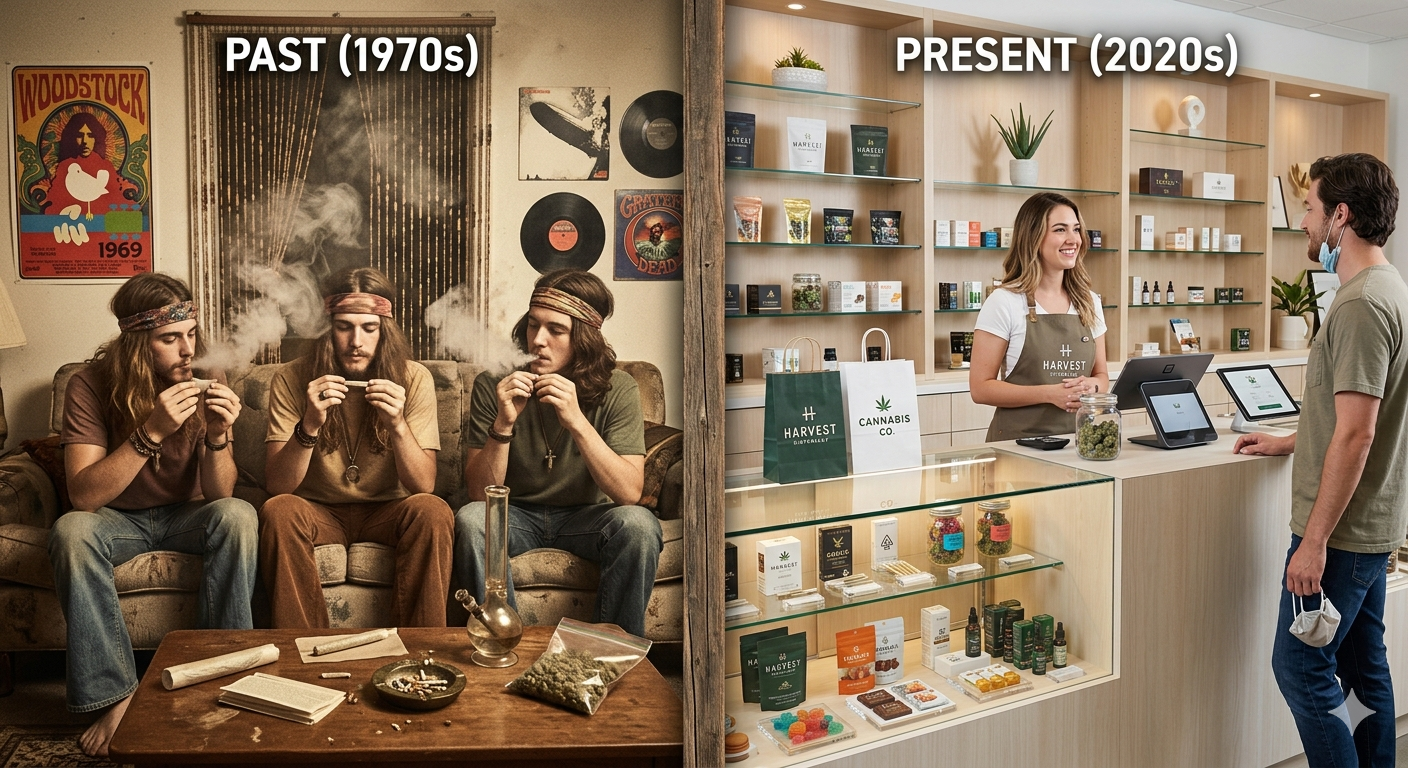
Marijuana from the 1960s to Now: Laws, Social Norms, Society, and the Big Bucks
This topic is one on which I consider my opinion somewhat biased. For that reason, I relied almost exclusively on AI, and other research methods in the preparation of this editorial. I have edited it for length, but not content, so that it can be as unbiased as possible.
Picture this: It’s the 1960s. Bell-bottoms, protest signs, and the sweet smell of marijuana drifting through college dorms and music festivals. What started as a rebellious escape for hippies and anti-war activists has transformed into a multi-billion-dollar legal industry in many parts of America. Yet it’s still a patchwork of rules—legal in some states, risky federally, and debated everywhere. Let’s take a lively journey through six decades of changing laws, shifting attitudes, societal impacts, and cold, hard cash. We’ll keep it real, balanced, and straightforward, like chatting over coffee.
The Rebellious 1960s: From Fringe to Counterculture Cool
Back in the early 1960s, marijuana carried a heavy stigma. It was tied to Mexican immigrants and jazz scenes in earlier decades, painted as a dangerous “gateway” to crime and madness in old “Reefer Madness” propaganda films. But everything shifted with the counterculture explosion. Young people, especially white middle-class students protesting Vietnam, embraced weed as a symbol of freedom, creativity, and tuning out “the Man.”
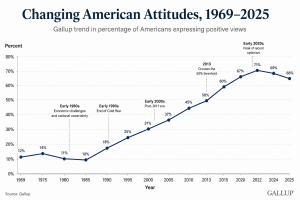
Music icons like Bob Dylan and the Beatles dropped hints in songs. Timothy Leary urged everyone to “turn on, tune in, drop out.” Use spread fast. Presidents Kennedy and Johnson’s commissions found it didn’t turn users into violent maniacs or inevitably lead to harder drugs. Still, federal law from the 1937 Marijuana Tax Act kept it tightly controlled, and most folks weren’t on board—only 12% supported legalization in a 1969 Gallup poll.
Social norms were loosening, but laws stayed strict. It felt like a cultural war: rebellion versus tradition.
The 1970s: War on Drugs and Early Pushback
Enter Richard Nixon. In 1971, he launched the “War on Drugs,” and the 1970 Controlled Substances Act slammed marijuana into Schedule I—the same category as heroin, labeled as having no medical use and high abuse potential. This gave the feds big power, even as states experimented.
A surprising twist came in 1972: the Shafer Commission, appointed by Nixon himself, recommended decriminalizing personal use. He ignored it. Yet 11 states decriminalized small amounts anyway. Public support crept up to about 28% by 1977. Society was split—some saw weed as harmless fun for adults; others worried about kids, driving, and moral slide. It was the start of a long tug-of-war.
The 1980s–1990s: “Just Say No” Meets the First Cracks
The Reagan years cranked up the pressure. “Just Say No,” mandatory minimum sentences, and the 1986 Anti-Drug Abuse Act led to soaring arrests. Prisons filled up. Marijuana was portrayed as a lazy, dangerous habit destroying families and productivity. Social norms turned conservative again.
But seeds of change were planted. In 1996, California voters passed Proposition 215, legalizing medical marijuana for serious illnesses like cancer and AIDS. Patients reported real relief from pain, nausea, and more. Other states followed, despite federal pushback. By the early 2000s, medical programs were spreading. Public opinion started its steady climb.
The 2000s–Today: The Green Rush Explodes
The big bang hit in 2012. Colorado and Washington voters legalized recreational use for adults 21 and up. Dispensaries opened in 2014, looking more like fancy coffee shops than shady back alleys. Other states jumped in: Oregon, Alaska, California, and more. As of early 2026, about 24 states plus D.C. allow recreational marijuana, with around 40 states offering medical programs.
Laws differ wildly. Some let you grow at home; others focus on strict testing, taxes, and limits on edibles or vapes. Federally, it’s still Schedule I, creating headaches for banks and businesses, though enforcement is often hands-off. Presidents have issued pardons for simple possession, and there’s ongoing talk of rescheduling.
Social norms have flipped for millions. Weed is mainstream—gummies at the gas station (in legal states), CBD lotions, and open conversations at dinner parties. Stigma has faded, especially for medical use, which polls near 90% approval. But debates rage on: Does it help with anxiety and pain, or increase mental health risks and impaired driving for heavy users? Youth access and high-potency products worry parents and researchers.
Society feels the effects both ways. Arrests for possession plummeted, easing court backlogs and highlighting racial disparities—Black Americans faced far higher arrest rates than whites for similar use. Legalization brought jobs in farming, retail, testing labs, and tourism. But challenges popped up: some rises in ER visits from edibles, traffic concerns, and questions about heavy use among teens (though national youth trends are often stable or mixed).
Here’s a real bar graph showing Colorado’s dramatic tax revenue growth (one of the pioneering states):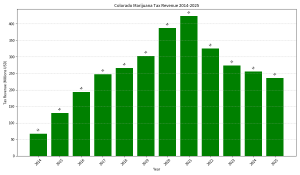
Colorado alone has pulled in hundreds of millions yearly—peaking over $423 million in 2021—for schools, infrastructure, and more. The state’s cumulative total now tops $3.1 billion.
Nationwide view (bar graph of key aggregates):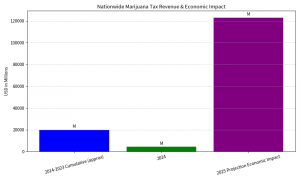
Nationwide, legal states generated over $4.4 billion in adult-use taxes in 2024—the highest single year—with a cumulative total topping $24.7 billion since 2014. The whole industry’s economic impact could hit around $123 billion (or higher in some projections) in 2025. Money talks loud. Taxes fund everything from road repairs to veterans’ programs and expungement for old convictions. Jobs boomed—thousands in cultivation and sales. Critics note high taxes sometimes fuel black markets, and there are regulatory costs and public health campaigns. Supporters celebrate reduced cartel influence and safer, tested products. Overall, many places see net positives in revenue and justice reform, but it’s no magic bullet—smart rules and education remain key.
Potency of marijuana from 60’s to now
The potency of marijuana has changed dramatically over the past six decades. While cannabis was widely used during the 1960s counterculture movement, the marijuana available then was generally far less potent than the products found in dispensaries today.
In the 1960s and early 1970s, most marijuana consumed in the United States was imported from countries such as Mexico, Colombia, and Jamaica. These plants were typically grown outdoors, often with little attention to selective breeding. Studies examining seized cannabis samples suggest that the average concentration of tetrahydrocannabinol (THC)—the primary psychoactive compound in marijuana—was often between 1% and 4%.
Beginning in the 1980s and accelerating through the 1990s, growers increasingly used selective breeding techniques to produce plants with higher THC content. Advances in indoor cultivation, specialized lighting, hydroponic systems, and genetic selection allowed cultivators to consistently increase potency. By the 1990s, average THC levels in seized marijuana samples had risen into the 4% to 8% range.
The trend continued into the twenty-first century. According to data from the University of Mississippi’s Potency Monitoring Program and other research organizations, average THC concentrations in cannabis seized by law enforcement increased substantially. By the 2010s, many samples averaged 12% to 15% THC, with some premium strains exceeding 20%.
Today’s legal cannabis market offers products that would have been virtually unheard of in the 1960s. Many flower products routinely contain 20% to 30% THC. Concentrated products such as oils, waxes, shatter, and vape cartridges can contain 60% to 90% THC or more. Edibles also provide consumers with precisely measured doses, although their delayed effects can sometimes lead to overconsumption by inexperienced users.
Supporters of legalization often argue that higher potency allows consumers to use smaller amounts to achieve desired effects, while regulated markets provide testing and labeling that were unavailable in earlier decades. Critics, however, express concerns that increased THC concentrations may contribute to greater risks of impairment, dependency, anxiety, and adverse psychological effects, particularly among adolescents and individuals with certain mental health vulnerabilities.
One important point often overlooked in comparisons between past and present marijuana is that today’s cannabis market is far more diverse. Consumers can choose products with varying ratios of THC and cannabidiol (CBD), a non-intoxicating cannabinoid that may moderate some of THC’s effects. In contrast, cannabis available during the 1960s generally contained lower THC levels but also lacked the variety and consumer information available today.
The historical record is clear: marijuana has become significantly more potent since the 1960s. What was once a product containing only a few percentage points of THC has evolved into an industry offering highly engineered strains and concentrates with potency levels many times greater than those available to previous generations. The implications of that change continue to be debated by researchers, policymakers, medical professionals, and consumers alike.
Weighing It All: Progress, Pitfalls, and the Road Ahead
Marijuana’s story mirrors bigger American changes: from fearing the unknown and tying it to racism or rebellion, to embracing science, personal freedom, and economic opportunity. Early propaganda overstated dangers; today’s high-THC products and widespread availability bring real risks that research continues to unpack. Use among adults has risen, with millions reporting regular consumption, while society debates balance.
The experiment continues. Federal reform could smooth out state-federal clashes, but divides persist—urban vs. rural, generational, political. What’s clear is massive evolution: what was once a jail-time offense is now a regulated business in much of the country.
In the end, marijuana reflects our ongoing conversation about liberty, health, safety, and money. As attitudes keep shifting, staying informed and pragmatic will help navigate the highs and lows.
Bibliography and Sources
– Colorado Department of Revenue Marijuana Tax Reports (detailed annual figures).
– Marijuana Policy Project reports on nationwide tax revenue ($24.7B cumulative, $4.4B in 2024).
– Gallup Poll data on public opinion.
– Congressional Research Service and Tax Foundation overviews.
– PBS Frontline and state policy timelines.
Graphs generated from official state and MPP data for visual impact.
Recommended Books on Amazon for Further Reading
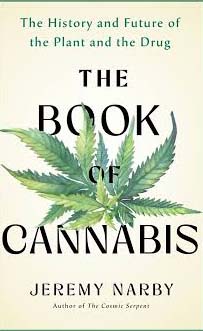
The Book of Cannabis: The History and Future of the Plant and the Drug by Jeremy Narby:
In The Book of Cannabis, Jeremy Narby―renowned author of The Cosmic Serpent―delivers a sweeping, clear-eyed exploration of cannabis as both plant and cultural phenomenon. From its ancient medicinal and ritualistic roles to its vilification, Narby traces how cannabis became one of the most controversial plants in modern history.
With the global shift toward legalization, Narby dives into the latest science on cannabis’s therapeutic potential and risks, especially in the era of high-potency strains and edibles. He unpacks the plant’s transformation through selective breeding and examines its evolving impact on health, society, and the environment. The book also explores the implications of cannabis’s changing legal status and its intersection with issues of social justice and public policy..
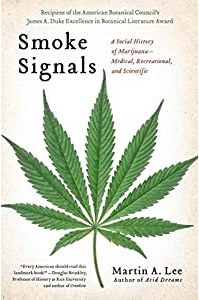
Smoke Signals: A Social History of Marijuana – Medical, Recreational and Scientific by Martin A. Lee:
“Hallelujah and glory be to Smoke Signals, Martin Lee’s bodacious new book…Lee chronicles everything and everyone worth chronicling in the annals of marijuana” (High Times).
This is the great American pot story, a dramatic social exploration of a plant that sits at the nexus of political, legal, medical, and scientific discourse. From its ancient origins, to its cutting-edge therapeutic benefits, to its role in a culture war that has never ceased, marijuana has evolved beyond its own illicit subculture into a dynamic, multibillion-dollar industry. Since 1996, when California voters approved Proposition 215, dozens of state and local governments across the country have circumvented federal authority to legalize marijuana for medical purposes. Mining the plant’s rich botanical properties, medical researchers are now developing promising marijuana-based treatments for cancer, heart disease, Alzheimer’s, diabetes, chronic pain, and many other conditions. Martin Lee, an award-winning investigative journalist, examines this complex landscape where legal ambiguity meets scientific breakthrough in a panoramic, character-driven saga.
Disclaimer: As an Amazon Associate, I earn from qualifying purchases.
Be First to Comment