
Craft Coffee at Home:
A Beginner’s Guide to Brewing Specialty Roasts
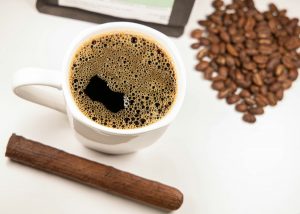
As a coffee drinker of over 60 years and a true lover of a good cup of coffee (especially when I can pair, of course, with my daily cigars), I find exploring the choices we can now find, versus the few choices that were available over 50+ years ago, so enjoyable.
There is something truly satisfying about waking up and brewing a great cup of coffee right in your own kitchen. Many people have grown used to grabbing a specialty coffee from a café every day, but learning to make high-quality coffee at home can be just as enjoyable and far more affordable in the long run. This guide is written for complete beginners who want to start brewing specialty coffee without feeling overwhelmed by complicated equipment or confusing terminology.
Specialty coffee is coffee that scores 80 points or higher out of 100 by professional tasters.¹ These beans usually come from specific farms or regions and are handled with great care from harvest to roasting. Unlike ordinary grocery store coffee, specialty beans offer distinct flavors — notes of citrus, berries, chocolate, caramel, or flowers — depending on where they were grown and how they were processed.² The best part is that you do not need expensive professional equipment to enjoy these flavors at home. With a few basic tools and some practice, almost anyone can brew coffee that tastes as good as what you get at top cafés.
The main reason many people start brewing at home is control. When you make coffee yourself, you decide everything: which beans to use, how finely to grind them, how hot the water should be, and how long to brew. This control helps you develop your own taste preferences over time. Brewing at home is also much gentler on your budget. A good 12-ounce bag of specialty coffee typically costs between $15 and $25, yet it can produce 15 to 20 cups.³ You also reduce waste from disposable cups and can choose roasters who treat farmers fairly.
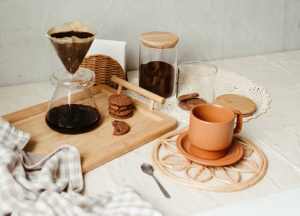 Freshness makes a huge difference in coffee quality. Always try to buy beans that have been roasted within the last two to four weeks. Look for a roast date printed on the bag. Whole beans stay fresh much longer than pre-ground coffee, so it is best to buy whole beans and grind only what you need right before brewing.⁴ Store your beans in an airtight container, away from direct light, heat, and moisture.
One of the most important tools for good coffee is a burr grinder.⁵ A gooseneck kettle is another helpful tool because it lets you pour water slowly and precisely. A simple digital kitchen scale helps you measure both coffee and water by weight instead of guessing with scoops. Accurate measurements are one of the easiest ways to improve your results quickly.
Water quality is often overlooked but very important. Since coffee is almost 99 percent water, the taste of your water affects the final cup. Use filtered water or good bottled spring water. Heat your water to between 195 and 205 degrees Fahrenheit (about 90 to 96 degrees Celsius).⁶
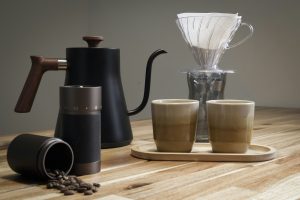 There are several easy brewing methods suitable for beginners. The French press is one of the simplest and most forgiving. You add coarsely ground coffee to the press, pour hot water over it, stir gently, wait about four minutes, and then slowly press the plunger. This method produces a rich, full-bodied cup.⁷
Pour-over brewing, such as with a Hario V60 dripper, gives you more control and usually produces a cleaner, brighter cup. You rinse the paper filter first, add medium-fine ground coffee, and pour water in stages. Start with a small amount of water to let the coffee “bloom” for about 30 seconds.⁸
The AeroPress is another popular choice. It is fast, portable, and versatile. A good starting ratio for most methods is about 1 gram of coffee to 16 or 18 grams of water.⁹ Grind size is one of the most important variables. If your coffee tastes bitter, the grind may be too fine. If it tastes weak or sour, the grind may be too coarse.¹⁰
Common beginner mistakes include using old beans, guessing measurements instead of weighing them, and using water that is the wrong temperature. Start by drinking your coffee black so you can truly taste the flavors. As you gain confidence, you can explore different origins. Beans from Ethiopia often have bright, fruity notes, while Colombian beans tend to be balanced and chocolatey.¹¹
Brewing specialty coffee at home is both a science and a creative practice. It takes time to develop your skills, but the learning process itself is rewarding. Each morning becomes a small opportunity to experiment and improve. The satisfaction of making a truly excellent cup of coffee in your own kitchen is hard to beat.
Endnotes
¹ Specialty Coffee Association, *Coffee Standards*.
² World Coffee Research, Sensory Lexicon.
³ Perfect Daily Grind, “Why Brew at Home” guides.
⁴ Coffee Chronicler, Bean Storage Best Practices.
⁵ James Hoffmann, *How to Make the Best Coffee at Home*.
⁶ Specialty Coffee Association, Water Quality Handbook.
⁷ Scott Rao, *The Coffee Roaster’s Companion*.
⁸ Jessica Easto, *Craft Coffee: A Manual*.
⁹ AeroPress official brewing recommendations.
¹⁰ Barista Hustle, Grind Size and Extraction Science.
¹¹ Counter Culture Coffee, Origin Tasting Notes
Recommended Books on Amazon for Further Reading
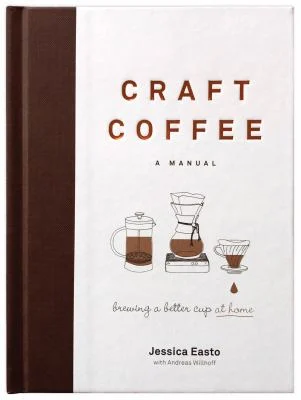
Craft Coffee: Brewing a Better Cup at Home by Jessica Easto: Craft Coffee: A Manual, written by a coffee enthusiast for coffee enthusiasts, is a comprehensive guide to improving your brew at home. The book provides all the information listeners need to discover what they like in a cup of specialty coffee—and how to replicate the perfect cup day after day. From the science of extraction and brewing techniques to choosing equipment and deciphering coffee bags, Craft Coffee focuses on the issues—cost, time, taste, and accessibility—that home coffee brewers negotiate and shows that no matter where you are in your coffee journey, you can make a great cup at home.
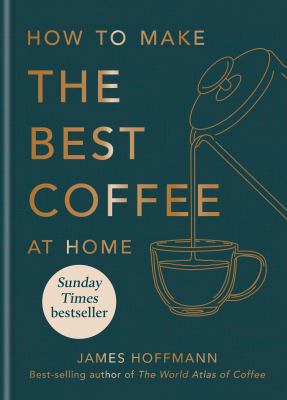
How to Make the Best Coffee at Home by James Hoffmann: We all expect to be able to buy an excellent cup of coffee from the many brilliant coffee shops available. But what about the coffee we make at home? Shouldn’t that be just as good?
Coffee guru James Hoffmann runs Square Mile Coffee, as well as creating extremely informative, and popular, kit and coffee reviews for his YouTube and Instagram channels. In his latest book he demonstrates everything you need to know to make consistently excellent coffee at home, including: what kit is worth buying, and what isn’t; how to grind coffee; the basics of brewing for all major equipment (cafetiere, aeropress, stovetop etc); understanding coffee drinks, from the cortado to latte; and the perfect espresso.
Disclaimer: As an Amazon Associate, I earn from qualifying purchases.
Be First to Comment