5 Reasons to Spend More Time Outdoors
In our fast-paced world of screens, deadlines, and busy schedules, many of us spend most of our days inside. Offices, homes, cars, and gyms keep us sheltered from the elements. But stepping outside—even for a short while—can make a real difference in how we feel, think, and live. Spending time in nature isn’t just a nice break; research shows it brings real benefits for our bodies, minds, and overall happiness. Here are five solid reasons to make getting outdoors a regular habit.
1. It Boosts Your Physical Health
One of the most straightforward benefits of heading outdoors is that it gets you moving. Whether you’re walking in a park, hiking a trail, gardening, or playing with the kids at the playground, being outside naturally encourages physical activity. The Centers for Disease Control and Prevention recommends regular movement to help manage weight, strengthen bones and muscles, and lower the risk of chronic diseases like heart disease and diabetes. Outdoor exercise often feels less like a chore than indoor workouts, so people tend to stick with it longer and enjoy it more.
Sunlight is another big plus. Just 10-15 minutes outside most days helps your body make vitamin D, which supports strong bones, a healthy immune system, and even mood regulation. Studies link higher vitamin D levels to lower risks of certain health problems. Being in green spaces has also been tied to lower blood pressure, better sleep, and reduced inflammation. One review found that people who spend time in nature report better overall physical health and are more likely to meet activity goals.
You don’t need to climb a mountain. A daily walk around your neighborhood, a bike ride, or even sitting in a backyard can add up. Over time, these habits can help you feel stronger and more energetic.
2. It Improves Mental Health and Reduces Stress
Life can feel overwhelming, with constant notifications and pressures piling up. Nature offers a powerful reset button. Research consistently shows that time outdoors lowers levels of cortisol, the body’s main stress hormone. A 20-30 minute walk in a green space can noticeably calm your mind and body.
Studies from the American Psychological Association and others link nature exposure to better mood, less anxiety, and fewer symptoms of depression. Even short doses help—research suggests that just 10-20 minutes a day or a total of about 120 minutes per week in nature is associated with significantly higher well-being and good health reports. It doesn’t have to be a wilderness trip; a local park or tree-lined street works too.
Spending time outside also gives your brain a break from directed attention. Modern life demands constant focus on tasks, emails, and screens. Nature provides “soft fascination”—gentle stimuli like rustling leaves or flowing water that restore attention without draining it. This mental restoration can reduce feelings of burnout and improve overall emotional balance.
For many people, especially those dealing with seasonal affective disorder or high stress, regular outdoor time becomes a simple, free tool for feeling better day to day.
3. It Sharpens Your Mind and Sparks Creativity
If you’ve ever felt stuck on a problem or mentally foggy, a walk outside might be the solution. Time in nature has been shown to improve cognitive function, including memory, focus, and creative thinking. One classic study found that a short walk in nature boosted short-term memory and problem-solving skills compared to urban walks.
Being outdoors exposes you to new sights, sounds, and experiences that activate different parts of the brain. This novelty can increase dopamine, the feel-good chemical tied to motivation and reward, helping you approach tasks with fresh energy. Research on children and adults alike shows benefits for attention, especially for those with ADHD symptoms.
Creativity gets a lift too. Artists, writers, and thinkers have long sought inspiration in nature, and science backs it up. Reduced mental fatigue from green spaces leaves room for new ideas to flow. Whether you’re brainstorming at work or trying to solve a personal challenge, stepping outside can clear mental clutter and open up new perspectives.
4. It Strengthens Social Connections and Community
Humans are social creatures, and outdoor spaces make it easier to connect. Parks, trails, beaches, and community gardens naturally bring people together. Families playing, neighbors chatting, or friends meeting for a hike—all these interactions build relationships and a sense of belonging.
Strong social ties are linked to better physical and mental health, including lower risks of anxiety, depression, and even chronic diseases. Outdoor activities often feel more relaxed and inclusive than indoor ones, making it easier to strike up conversations or strengthen bonds with family and friends. Kids especially benefit—outdoor play encourages cooperation, empathy, and social skills.
In a time when many feel isolated despite being constantly “connected” online, real-world interactions in nature can combat loneliness and build genuine community.
5. It Builds Appreciation for the Environment and a Sense of Purpose
Spending time outdoors deepens your connection to the natural world. When you see birds, trees, rivers, or changing seasons up close, it’s harder to take them for granted. This connection often leads to greater environmental awareness and a desire to protect what we have.
Many people report feeling a stronger sense of meaning and purpose after time in nature. It puts daily worries into perspective and reminds us of something bigger than ourselves. This can boost overall life satisfaction and motivation to make positive changes—not just for personal health, but for the planet too.
Children who grow up with regular nature time develop lifelong respect for the environment and tend to be more curious and resilient. Adults often rediscover a sense of wonder that busy indoor life can dull.
Making It Happen in Real Life
The good news is you don’t need fancy gear or lots of free time to start. Aim for small, consistent steps: a morning coffee on the porch, a lunch break walk, weekend family outings, or evening stargazing. Even urban dwellers can find green spaces nearby. Apps, local parks departments, or community groups can help you discover options.
Of course, be smart about it. Check weather, wear sunscreen, stay hydrated, and respect nature by following leave-no-trace principles. For those with mobility challenges or health concerns, even sitting near a window with a view of greenery or short accessible outings can offer some benefits.
A Simple but Powerful Change
In the end, spending more time outdoors is one of the most accessible ways to improve your quality of life. It doesn’t cost much, requires no special skills, and delivers benefits that add up over time. From stronger bodies and calmer minds to better focus, relationships, and a deeper connection to the world around us—the reasons are clear and backed by growing scientific evidence.
Next time you feel tempted to scroll or stay inside, try stepping out instead. You might be surprised how much better you feel. Your body, mind, and even your community will thank you.
Footnotes / Sources
1. American Psychological Association – “Nurtured by Nature” (2020).
2. Harvard T.H. Chan School of Public Health – Time spent in nature and well-being (2024).
3. Scientific Reports – “Spending at least 120 minutes a week in nature…” (2019).
4. UCLA Health – “7 health benefits of spending time in nature” (2025).
5. NIH/PMC reviews on nature exposure and health outcomes.
6. Various studies cited via APA, Mayo Clinic, and public health sources.
Recommended Books (available on Amazon):
– Last Child in the Woods: Saving Our Children From Nature-Deficit Disorder by Richard Louv – A groundbreaking look at how nature time benefits kids and families.
Buy on Amazon – click image
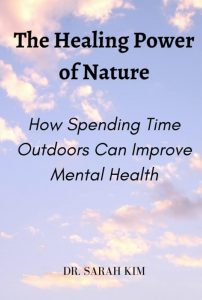
– The Healing Power of Nature: How Spending Time Outdoors Can Improve Your Health, Mood, and Creativity – Practical science-based guide to outdoor benefits.
Buy on Amazon – click image