
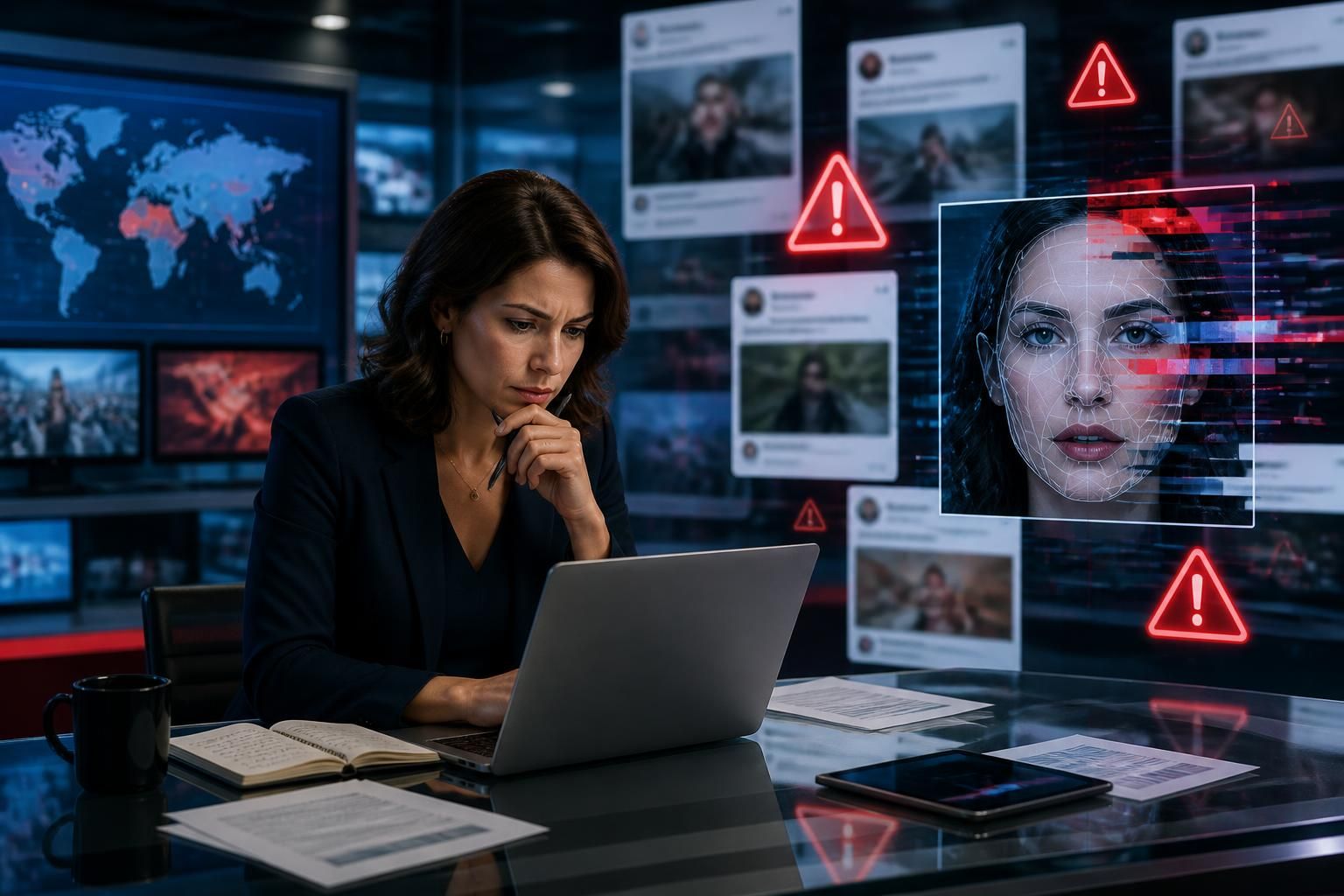
Navigating the Digital Minefield: A Guide to Spotting Deepfakes and Misinformation Online
NOTE: Due to the complexity of this topic I barely edited the data as I found it. I added the government website for images and data from www.cisa.gov . This editorial is composed using AI, I feel this is a terrific example of how disinformation is now common in our society and culture.
We live in an era of unprecedented digital connection, where information from across the globe is accessible at our fingertips within seconds. Yet, this incredible convenience comes with a dark and increasingly complex underbelly: the rapid proliferation of misinformation and deepfakes. As artificial intelligence technologies become more sophisticated, distinguishing between what is genuinely real and what has been digitally fabricated is no longer a task reserved for computer scientists or digital forensic specialists. It has become a crucial, daily responsibility for every internet user. Understanding how to identify these manipulations is essential for protecting ourselves from fraud, preventing the spread of propaganda, and maintaining a shared sense of reality in a heavily polarized world. [1]
To understand how to fight this digital phenomenon, we must first define what we are up against. Misinformation is a broad term that encompasses any false or inaccurate information that gets spread, regardless of an intent to deceive. It can include out-of-context quotes, altered photographs, or completely fabricated stories. A deepfake, on the other hand, is a specific type of synthetic media [2]. It is an image, audio clip, or video that has been digitally manipulated using artificial intelligence to make someone appear to be doing or saying something they never did [3]. While deepfakes were initially somewhat clunky and easy to spot [4], the rapid evolution of generative AI means that they can now look incredibly realistic [5], making it difficult for the human eye and ear to detect them without careful analysis and the right tools.
The threat posed by deepfakes and misinformation cannot be overstated [6]. From a personal perspective, bad actors can use deepfakes to impersonate family members or executives in voice cloning and video scams, leading to identity theft, reputational damage, and massive financial losses. Cybercriminals have also been known to exploit synthetic media for blackmail and extortion. On a broader, societal level, deepfakes and disinformation campaigns have the potential to manipulate public opinion, influence elections, and create widespread panic by fabricating dramatic events [7]. Perhaps most dangerously, the prevalence of fake content can lead to a phenomenon where people start doubting genuine evidence [8]. When a population cannot agree on the basic facts of an event, societal trust begins to erode [7]. This can make it incredibly difficult to hold institutions, politicians, and bad actors accountable, ultimately threatening the foundations of democracy.
Experts across cybersecurity and media literacy suggest that one of the most effective ways to combat deepfakes and misinformation is to change our digital habits. Human beings are inherently biased toward believing what they see—a cognitive shortcut known as the “seeing is believing” heuristic. Furthermore, psychological studies have shown that individuals are notoriously overconfident in their ability to detect deepfakes, often believing they are much better at spotting inauthentic media than they actually are [8]. To counter this, we must adopt an attitude of healthy skepticism [4]. Whenever we encounter a piece of shocking news, a dramatic video, or an emotional audio clip online, the first and most important step is to pause before reacting or sharing [9]. We should train ourselves to consider all unverified content as exactly that—unverified—until it has been cross-checked with credible sources.
Cross-verification is a cornerstone of good digital citizenship. If a piece of news or a dramatic video is authentic, it will likely be reported by multiple, reputable news outlets, not just a single social media account or a fringe website [9]. When you see a controversial claim, check if other established news organizations are covering the story, and pay attention to whether they are telling the story in the same way. If a story is not being reported anywhere else, it is highly likely to be a rumor, a fabrication, or a hoax. Furthermore, it is important to consider the source of the content. Ask yourself who originally posted the information, what their potential motives might be, and whether they are an expert in the field they are discussing. By looking at the broader context of who is sharing the information, we can often determine its reliability before even needing to analyze the media itself [3].
Visual Framework: Fact-Checking considering the broader context of who is sharing the information, we can often determine its reliability before even analyzingWorkspace Representation
Below is a conceptual grid demonstrating how an internet user actively cross-references an unverified viral social media claim across multiple trusted, independent journalism platforms simultaneously to find historical consensus before interacting with a post.
Target Event / Source Claim | Platform A Verification | Platform B Verification | Cross-Reference Outcome |
“Breaking: Sky-high infrastructure collapse footage” | Associated Press: Identifies footage as a 2021 industrial demolition video. | Reuters Fact Check: Confirms audio was swapped with current generic sirens. | Debunked Hoax (Miscaptioned / Decontextualized Old Media) |
While checking the source and cross-verifying facts is vital for text-based misinformation, identifying deepfakes often requires a different approach. Because deepfakes utilize artificial intelligence to synthesize faces, voices, and environments, they frequently leave behind telltale signs—often called “artifacts” or “glitches”—that can give away their artificial nature [5]. When analyzing a suspicious video, one of the best strategies is to look closely at the person’s face [10]. The human face is incredibly complex, and AI algorithms sometimes struggle to render its natural physics perfectly [11]. Start by paying close attention to the eyes and eyebrows [1]. Look at whether the person blinks a normal amount [6]. Unnatural blinking patterns—such as blinking far too often, too infrequently, or not at the same time in both eyes—are a very common giveaway of a deepfake video [1].
In addition to the eyes, it is highly beneficial to inspect the finer details of the face, such as the cheeks and forehead. In many deepfakes, the skin may appear overly smooth, unnaturally waxy, or lacking the natural blemishes, pores, and micro-movements that real human skin possesses [12]. Alternatively, you might notice sudden inconsistencies in complexion or lighting between the subject’s face and their neck [1]. Shadows can also be a dead giveaway; check to see if the shadows cast on the face are consistent with the light sources in the background [13]. If the subject is wearing glasses, look closely at the glare. Does the glare look natural, or does it stay static and fail to move when the person shifts their head? [13] Furthermore, take a moment to evaluate facial features like moles, birthmarks, and facial hair. Deepfake technology sometimes struggles to render these features seamlessly, so they may appear pixelated, blurred, or inconsistently shaped from frame to frame [10].
Beyond the texture and physical features, observing behavior and movement is a powerful detection method. When watching a video that seems slightly off, focus on the mouth and lip movements [10]. Lip-syncing mismatches are a classic sign of manipulated audio and video [13]. You might notice that the mouth movements do not quite align with the words being spoken [11], or that the AI struggled to accurately render the subject’s teeth and tongue, causing them to look distorted or unnatural [5]. Because AI models sometimes have trouble maintaining a consistent capture of facial geometry across every single frame of a video, slowing down the footage—or freezing it frame by frame—can help you spot these glitches [14]. Furthermore, if you happen to know the person in the video well, pay attention to their mannerisms, posture, and speech patterns. Subtle quirks in the way someone talks or gestures are often difficult for an AI to perfectly replicate.
The environment and background surrounding the subject can also offer major clues [6]. When creators generate deepfakes, they often focus heavily on the face, leaving the background with inconsistencies [14]. Look at the overall sharpness and resolution of the image. Is the background strangely blurred, or does it have a significantly different resolution than the person’s face? [1] Additionally, look for unnatural distortions in inanimate objects [10]. Things like road signs, text, posters, and road markings should be legible and physically make sense [13]. If you see warped architecture, floating objects, or signs with gibberish text, you are likely looking at content generated entirely by artificial intelligence [15].
When it comes to the audio accompanying a deepfake, the clues are often just as apparent [5]. Voice cloning technology has become remarkably advanced, but it can still produce anomalies [5]. When listening to an audio clip or a video, pay close attention to the pacing, rhythm, and intonation of the voice [5]. AI-generated voices can sometimes sound overly robotic, perfectly flat, or lack the natural pauses and breaths that a real human takes when speaking [5]. You should also listen for unnatural background noise or sudden robotic glitches in the audio track [5]. Furthermore, pay attention to the emotional tone of the voice. If a person is delivering shocking news or describing a dangerous situation, their real voice would typically exhibit natural signs of stress, panic, or fear. If the audio sounds completely calm and emotionless despite the chaotic nature of the words being spoken, it may warrant further investigation.
Aside from visual and audio analysis, there are a variety of technical strategies and tools that can be utilized to spot misinformation. One of the simplest and most effective techniques is the reverse image search [4]. If you receive an image or come across a video thumbnail online, you can take a screenshot and upload it to search engines like Google Images or Bing, or use specialized platforms like TinEye [4]. A reverse image search allows you to track down where that specific image has been used across the internet previously [4]. If you discover that the image was originally published years ago, or was previously used in an entirely different context, you have likely caught a deepfake or a piece of miscaptioned misinformation [4]. Similarly, there are browser extensions, such as InVID, designed to help users verify the origins of videos by extracting keyframes for reverse searching [14].
Furthermore, checking the file’s metadata can be very revealing. Metadata is the embedded information in a digital file that tells you when it was created, what device was used to take it, and when it was last modified. While metadata can sometimes be stripped or faked by malicious actors, looking at it can provide useful clues. If a video claims to be from a major breaking news event occurring today, but the file’s metadata indicates it was created months ago, it is highly likely to be manipulated. Additionally, digital forensic specialists employ more advanced algorithms, such as clone detection and error level analysis, to identify manipulated pixels and digital tampering in images. While everyday users may not use complex coding or algorithms, understanding that these tools exist highlights the importance of not taking digital files at face value.
In addition to developing our own observational skills and using search tools, relying on dedicated fact-checkers is an excellent way to navigate the online landscape. When a deepfake or a controversial news story goes viral, it spreads incredibly quickly across social media platforms, making it difficult for everyday users to verify everything at once. Professional fact-checking organizations frequently investigate these viral claims, analyze the media in question, and publish their findings. Websites such as Snopes, PolitiFact, and the Associated Press (AP Fact Check) are invaluable resources. Platforms like MediaSmarts also offer search tools that allow users to check claims across more than a dozen fact-checking organizations simultaneously [16]. Making it a habit to check with reputable fact-checkers when you are unsure about a specific story can save you from falling victim to a hoax [4].
As artificial intelligence continues to advance, so do the methods used to combat deepfakes [17]. Major technology companies, social media platforms, and cybersecurity researchers are continually developing new detection models and authentication methods [17]. One of the most promising technological solutions is digital watermarking [17]. Just as a physical dollar bill has watermarks to prove its authenticity, digital content providers are exploring invisible watermarking technology that embeds provenance information directly into audio and video files [17]. This technology can allow algorithms to verify whether a piece of content is authentic or if it has been altered by AI [17]. However, while detection software and technological solutions are highly valuable, they are not a silver bullet [17]. Bad actors and deepfake creators are constantly innovating to bypass detection algorithms, meaning that combating this issue requires a combination of technology, legislation, and informed digital citizenship [17].
To combat the rising threat of voice cloning and video call scams, families and workplaces should adopt proactive security measures, such as establishing pre-arranged “code words” or safety phrases for verifying identities [5]. If a loved one or colleague requests money or sensitive information, requiring this verification can prevent fraud [5]. During video calls, conducting a “prove you are live” test—such as asking the person to cover their face with their hands or turn completely sideways—can instantly disrupt and reveal the mathematical glitches inherent in real-time deepfake technology [11].
Understanding the behavioral spread of misinformation is equally critical. Social media algorithms often amplify content that generates strong, immediate emotional responses, like outrage, validation, or sudden fear [18]. Recognizing that content designed to make you feel intensely panicked is often intentionally aiming to bypass your logical critical thinking faculties, you can train yourself to pause, step back emotionally, and evaluate the information rationally, rather than sharing it immediately [18].
Building resilience against these digital dangers requires continuous education and dedicated reading. Resources for understanding the broader societal and political impact of synthetic media, as well as practical, actionable techniques to protect yourself in a landscape of digital deception, are essential. For deep, highly technical, yet incredibly readable insights into these phenomena, you can explore the definitive literature available on the subject.
A great place to start is investigative expert Nina Schick’s critical analysis, available at the Amazon Bookstore for Deepfakes: The Coming Infocalypse [19]. To augment this with hands-on protective frameworks for everyday environments, read cybersecurity pioneer Perry Carpenter’s guide, available directly through the Amazon Bookstore for FAIK: Living in a World of Disinformation [20].
Ultimately, while technology companies work on automated detection methods, the final line of defense remains an informed public. By cultivating critical thinking, developing an unyielding habit of verifying incoming information, and utilizing standard forensic web utilities, we can collectively navigate this complex digital environment. The goal is not to fall into complete cynicism where we believe nothing, but rather to cultivate a healthy, informed skepticism, enabling us to discern truth in an era of sophisticated digital manipulation confidently.
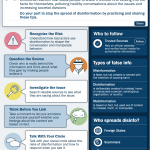
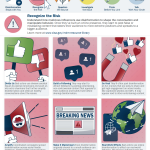
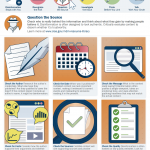
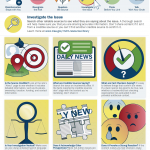
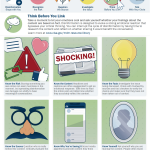
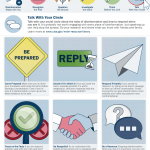
These images depicting Disinformation are from; www.cisa.gov/mdm-resource-library

Footnotes & Citations
- MIT Media Lab. Detect DeepFakes: How to counteract misinformation created by deepfakes. Educational guide outlining eye-tracking anomalies and blinking patterns.
- University of Miami. Deepfakes: AI-Generated Synthetic Media. Analysis on the classification of synthetic content versus standard manipulation.
- Illinois State University (2026). Evaluating: Deepfakes. Academic criteria for checking contextual indicators and authorship incentives.
- Young Scot (2026). How to Spot Deepfakes and Misinformation. Public interest guide detailing baseline reverse search platforms and healthy skepticism metrics.
- Anomali (2025). Spotting AI-Generated Disinformation and Deepfakes Online. Industry report defining the risk mechanics of voice cloning, robotic audio glitches, and identity fraud.
- San Jose State University Library. How to Spot Deepfakes. Tutorial focused on tracking background resolutions and general environmental anomalies.
- UNESCO (2025). Deepfakes and the crisis of knowing. Policy study on the structural degradation of institutional validation in democratic frameworks.
- Kellogg School of Management, Northwestern University. Detect Fakes Experiment. Psychological study exploring human overconfidence when identifying algorithmic fakes.
- PBS NewsHour (2025). Why AI videos are dangerous — and how to spot them. Broadcaster breakdown on cross-verification requirements during volatile news cycles.
- UC Santa Barbara. Don’t Get Fooled: Your Guide to Spotting Deepfakes. Campus guide targeting facial landmark inconsistencies, teeth boundaries, and lip movement vectors.
- PBS (2024). How to spot them and can you avoid being deepfaked? Investigation explaining the “prove you are live” profile obstruction test for video calls.
- ESET (2025). How to detect deepfakes: A practical guide to spotting AI-Generated media. Technical review outlining skin texture blurring, waxy complexions, and smoothing artifacts.
- AFP Factuel (2026). How to spot deepfakes? Global verification dispatch covering static lighting reflections, mismatched glare vectors, and warped signage.
- YouTube / Media Literacy Project (2020). How To Spot Fake News and Deepfake Videos. Video tutorial highlighting frame-by-frame isolation techniques and browser verification extensions like InVID.
- YouTube / Forensic Media (2024). How to Identify AI Images and Deepfakes in Media. Step-by-step breakdown on tracking geometry errors and background spatial warps.
- MediaSmarts. Spotting Deepfakes. Consolidated catalog detailing cross-platform fact-checking infrastructure.
- U.S. Government Accountability Office (GAO) (2024). Science & Tech Spotlight: Combating Deepfakes. Strategic technology evaluation detailing advanced cryptography, watermarking initiatives, and error level analysis.
- AVID Open Access. Strategies for Identifying Deepfakes. Instructional modules linking high emotional amplification with computational recommendation algorithms.
- Schick, Nina (2020). Deepfakes: The Coming Infocalypse. Twelve Publishing. Investigative exploration detailing the rise of global algorithmic misinformation structures.
- Carpenter, Perry (2026). FAIK: A Practical Guide to Living in a World of Deepfakes, Disinformation, and AI-Generated Deceptions. John Wiley & Sons. Strategic human risk workbook providing behavioral defense systems against social engineering.
Recommended Books on Amazon for Further Reading
 True or False: A CIA Analyst's Guide to Spotting Fake News by Cindy L. Otis: In our modern information age, it’s impossible to escape fake news. Whether it’s coming from the mouth of a politician or the suspicious article shared in your family group chat, fake news is everywhere. But the truth is, fake news is not a new phenomenon. From the ancient Egyptians to the French Revolution to Jack the Ripper and the founding fathers, fake news has been around as long as human civilization. But that doesn’t mean that we should just give up on the idea of finding the truth
 Verified: How to Think Straight, Get Duped Less, and Make Better Decisions about What to Believe Online by Mike Caulfield: The internet brings information to our fingertips almost instantly. The result is that we often jump to thinking too fast, without taking a few moments to verify the source before engaging with a claim or viral piece of media. Information literacy expert Mike Caulfield and educational researcher Sam Wineburg are here to enable us to take a moment for due diligence with this informative, approachable guide to the internet. With this illustrated tool kit, you will learn to identify red flags, get quick context, and make better use of common websites like Google and Wikipedia that can help and hinder in equal measure.
Disclaimer: As an Amazon Associate, I earn from qualifying purchases.