
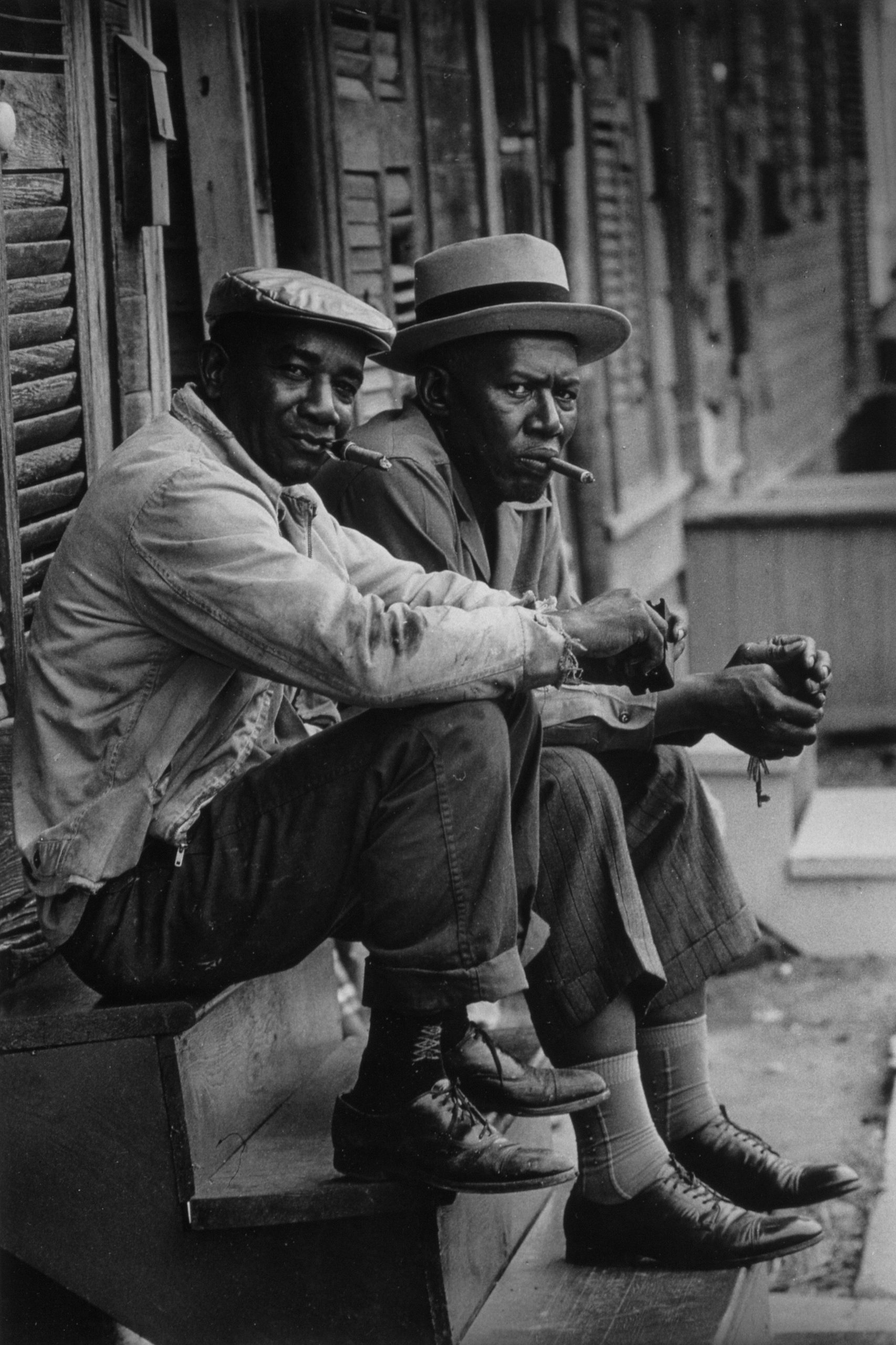

Cigar Use and Popularity from the Early 1900s to Present Day: An Unbiased Historical Editorial
As an observer of tobacco culture, I have always found the history of the cigar to be a fascinating reflection of the broader American and global story. From the working-class “stogie” of the early 1900s to the modern era of boutique premium sticks, the cigar has survived industrial shifts, cultural renaissances, and strict health regulations. The narrative of the cigar is deeply intertwined with changing societal tastes, shifting from a daily blue-collar necessity to a luxury lifestyle statement. When we examine the twentieth century through today, we do not just look at a product; we see a chronicle of shifting economies, international embargoes, and a persistent human desire to celebrate, relax, and socialize with a bit of smoke in the air.
If I were to transport myself back to the early 1900s, I would find a vastly different cigar landscape than the one we know today. Back then, the cigar was the absolute king of American tobacco consumption. It was an era before mass-produced cigarettes dominated the market, and before health concerns reshaped public habits.
According to cigar historian and author David Savona in Cigar Aficionado’s Art of Cigar Making, the early twentieth century was an age of explosive production.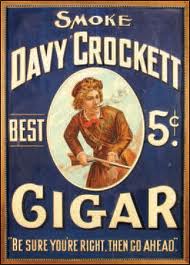 In fact, 1920 holds the record for the biggest year in United States cigar manufacturing, with a staggering eight billion cigars produced [^1]. During this time, the “nickel cigar” was a universal staple of American life. Men from all walks of life—from factory workers to politicians—regularly puffed on cigars as they went about their day.
However, the nature of the cigar industry began to change rapidly. In 1919, the first automated short-filler cigar machine was introduced [^3]. This technological leap allowed thousands of machines to operate, increasing productivity by more than 300 percent compared to traditional hand-rolling methods.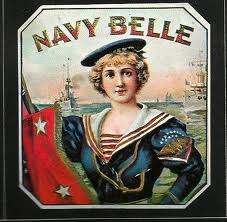 Slowly, the small local factories that once dotted towns across the United States began to disappear, swallowed up by large-scale conglomerates. By the time the Great Depression hit in 1929, the golden age of the cheap, everyday cigar had suffered a major blow. Personal incomes plummeted, and Americans could no longer afford the imported Cuban cigars that sold for premium prices. The industry was forced to adapt, relying heavily on machine-made, low-cost tobacco products just to keep the lights on.
Moving through the middle of the twentieth century, the popularity of cigars began to level off, and in many ways, wane. The invention and aggressive marketing of the cigarette quickly shifted the public’s tobacco preference. Cigarettes were convenient, quick, and relatively inexpensive, making them the new go-to choice for the average American.
Then came a geopolitical event that forever altered the premium cigar market: the Cuban Revolution and the subsequent United States trade embargo. Before 1962, American smokers had a profound appreciation for Cuban tobacco, which was widely considered the absolute gold standard. Most of the premium cigars available at the time were “Clear Havanas”—made by Cuban masters but often rolled right in places like Tampa, Florida.
When the trade embargo was enacted by President John F. Kennedy, the supply of Cuban tobacco was cut off overnight.  This caused a frantic shift in the industry. Manufacturers had to look elsewhere for quality tobacco, establishing new roots in places like the Dominican Republic, Honduras, and eventually Nicaragua. While demand for cigars in quantitative terms had decreased compared to the early 1900s, the prestige of a rare or imported cigar only grew, cementing its status as an exclusive, luxury item.
If you asked me to pinpoint the single most important turning point for modern cigars, I would immediately point to the 1990s. During this decade, the cigar industry experienced a massive, unprecedented resurgence that transformed it from a fading hobby into a roaring cultural phenomenon.
In The Ultimate Cigar Book by author Richard Carleton Hacker, this era is chronicled as a true renaissance for the stogie [^2]. The 1990s brought about a massive wave of interest, largely driven by lifestyle publications like Cigar Aficionado magazine. For the first time in decades, cigars were cool again. They became trendy status symbols embraced by celebrities, athletes, and business executives.
Suddenly, cigar bars and upscale lounges began popping up in major cities across the country [^4]. People weren’t just smoking out of habit; they were participating in an experience. They were learning about different wrappers—like the dark, oily Maduro—and discussing the nuances of aging cigars in a humidor.  The demand skyrocketed, causing temporary shortages of premium, hand-rolled sticks. This boom also encouraged a new generation of boutique and artisanal cigar makers to experiment with new blends and packaging, breathing fresh life into an age-old craft.
Looking at the cigar landscape today, I see a fascinating duality. On one hand, the industry is more diverse and successful than ever before in terms of revenue, with the North American market alone projected to reach well over $20 billion in the coming years [^5]. On the other hand, the culture surrounding the cigar is facing some of its strictest regulatory hurdles in history.
Today, the undisputed king of the premium cigar world is Nicaragua. While the Dominican Republic and Honduras remain major players, Nicaraguan tobacco has earned incredible reviews and top ratings from connoisseurs around the globe. Smokers have developed a much more sophisticated palate, seeking out complex, full-bodied flavors rather than the mild, mass-market products of the past.
Moreover, the internet has completely changed how people buy their cigars. Where a smoker in the mid-1900s was limited to whatever their local corner shop or newsstand carried, today’s enthusiast can easily order boutique, limited-edition sticks from all over the world. We have seen a massive rise in the popularity of online retail, allowing smaller family-owned farms and blenders to reach a global audience.
However, this modern era is not without its challenges. The modern cigar market is heavily policed by health organizations and government entities like the Food and Drug Administration (FDA). Stricter regulations, high excise taxes, and advertising restrictions have made it difficult for mass-market and flavored cigars to be sold as freely as they once were. Additionally, public health campaigns have successfully highlighted the risks associated with all forms of combustible tobacco, altering the way the general public views smoking. Interestingly, despite this pushback, the consumption of premium, hand-rolled cigars has remained robust. According to various retailer surveys and industry data, while the popularity of cheap, mass-market cigars has declined, the demand for high-quality, artisanal cigars remains remarkably strong.
As I reflect on my own experiences and conversations with modern cigar smokers, and having owned a cigar shop and lounge, I’ve noticed a profound shift in why people smoke. In the early 1900s, smoking was often an involuntary, everyday habit. Men lit up on the street, in the factory, or while reading the morning paper. It was simply part of the daily rhythm of life.
Today, smoking a cigar is treated much more like a ritual. Because of the busy, modern pace of life and the restrictions on indoor smoking, people generally view a cigar as a deliberate, intentional leisure activity. It takes time to smoke a cigar—often anywhere from forty-five minutes to an hour and a half. Modern smokers see this as an opportunity to disconnect from their phones, relax, and engage in conversation.
It is also interesting to see the democratization of the hobby. While the stereotype of the wealthy, suit-wearing executive in a dark, leather-bound cigar lounge still exists, the modern demographic is incredibly diverse. Women, younger generations, and a wide variety of working professionals have embraced the cigar. They gather at outdoor patios, attend organized cigar festivals, and use smoking to celebrate milestones such as weddings, promotions, or simply surviving a long workweek.
As I look at the overarching journey of the cigar from the early 1900s to today, I am struck by its resilience. The cigar has proven to be incredibly adaptable. It weathered the industrial revolution of the early 20th century, survived the shock of the Cuban embargo, and successfully navigated the health-conscious shifts and heavy regulations of the 21st century.
While the popularity of mass-produced, daily tobacco has faded, the appreciation for the artisanal, premium cigar has only deepened. Smokers have become more educated, focusing on the craftsmanship, the region of origin, and the blending of the leaves. The cigar has transitioned from a blue-collar staple to an experiential luxury item, a symbol of relaxation and camaraderie.
Ultimately, the story of the cigar is not just about tobacco; it is a story of community. Whether it was the nickel cigar of 1920 or the boutique Nicaraguan blend of today, the act of lighting a cigar has always been about pausing to enjoy the moment. It is a tangible connection to history, a craft passed down through generations, and a global ritual that, despite all odds, continues to thrive in our modern world.
Marked Footnotes
[^1]: David Savona, Cigar Aficionado’s Art of Cigar Making (New York: Watson-Guptill Publications), p. 45.
[^2]: Richard Carleton Hacker, The Ultimate Cigar Book (New York: Skyhorse Publishing), p. 112.
[^3]: David Savona, Cigar Aficionado’s Art of Cigar Making, p. 52.
[^4]: Richard Carleton Hacker, The Ultimate Cigar Book, p. 185.
[^5]: Industry statistics via Cigar Market Size & Outlook (Grand View Research).
Bibliography
Hacker, Richard Carleton. The Ultimate Cigar Book. New York: Skyhorse Publishing. (Available on Amazon)
Savona, David. Cigar Aficionado’s Art of Cigar Making. New York: Watson-Guptill Publications. (Available on Amazon)
Grand View Research. U.S. Cigar and Cigarillos Market Size & Outlook, 2025-2033. November 2025.
Mordor Intelligence. Cigar Market Analysis | Industry Report, Size & Trends. January 2026.
Centers for Disease Control and Prevention (CDC). Cigar Use in the United States. October 2024.
The Business Research Company. Luxury Cigars Market Report. 2026.
List of Sources Used
History of Cigars: From Ancient Traditions to Modern Luxury – Renegade Cigars.
The History of Cigars: When Were Cigars Invented? – Holt’s Cigar Company.
The History of Cigars: From Seed to Smoke – Corona Cigar.
Cigars in the 20th century – Jeffrey St. Whisky & Tobacco.
The Rich History of Cigars – Cigar.com.
Cigar Market Analysis | Industry Report – Mordor Intelligence.
Cigar Use in the United States – Centers for Disease Control and Prevention (CDC).
U.S. Cigar and Cigarillos Market Report – Grand View Research.
Be First to Comment