
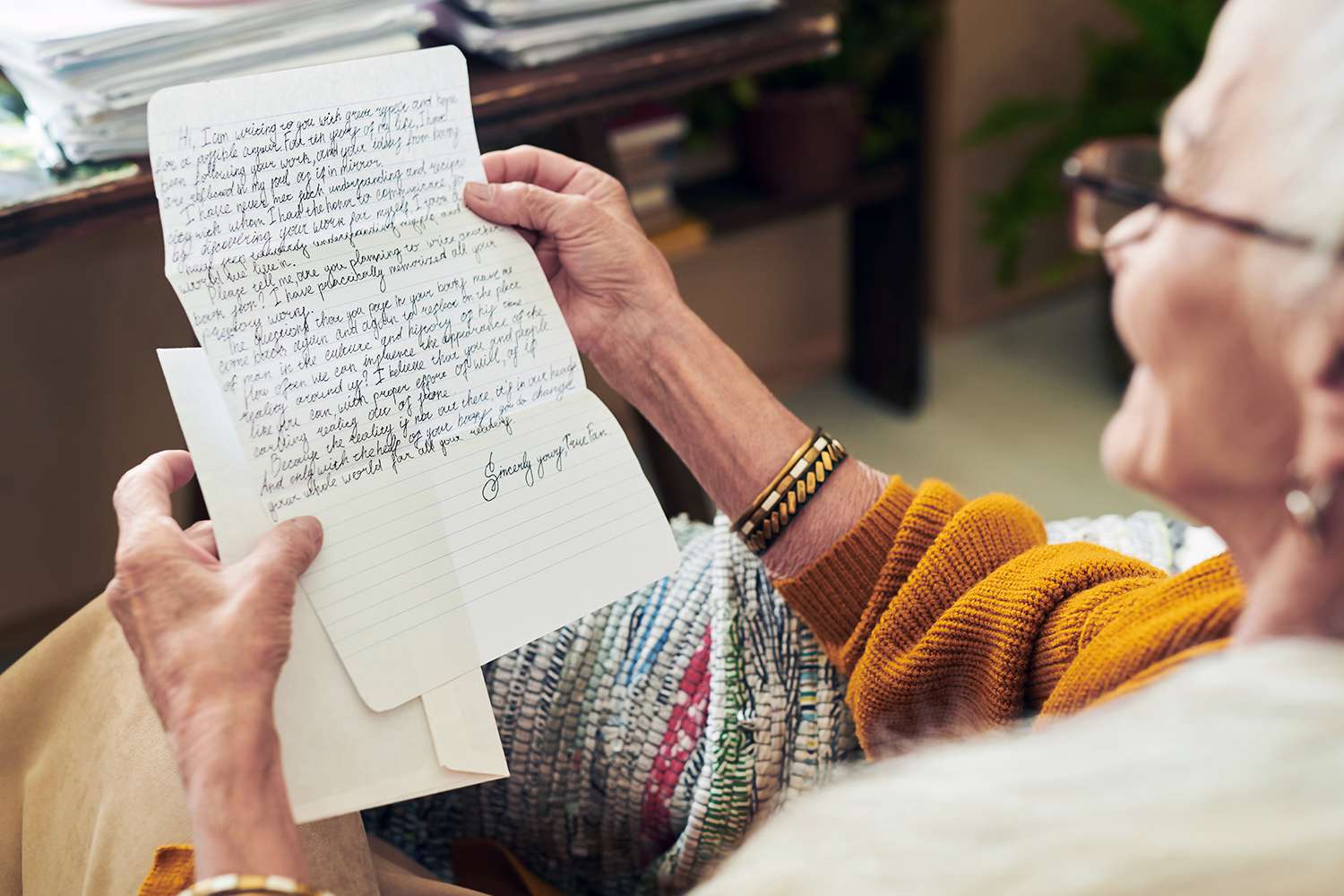
Cursive Writing: Past, Present, and Future
Cursive writing, with its smooth, connected letters, has been part of human communication for centuries. It allows people to write faster and gives writing a personal touch. Today, people disagree about its place in schools and everyday life. Some think it is old-fashioned in our digital world. Others believe it is still important for learning, history, and personal expression. This editorial looks at the full story of cursive — its history, recent changes, and possible future — in a balanced way, without taking sides.
The word “cursive” comes from the Latin “cursivus,” which means “running.” Early writers created it so they could keep the pen moving across the page without lifting it often. This made writing quicker for daily tasks.¹
Ancient Romans used an early form of cursive on wax tablets and papyrus for notes, business records, and letters. It helped them manage the busy needs of a large empire.²
During the Middle Ages, monks in Europe carefully copied books by hand. They developed clearer styles like Carolingian minuscule, which used lowercase letters and spaces between words to make reading easier. In the Renaissance period in Italy, scholars created italic script. This style was both beautiful and fast, and it spread across Europe.³
By the 1600s and 1700s, England and other countries used elegant styles such as round hand and secretary hand for official papers and personal letters. These featured flowing loops and connections.
In the United States, handwriting became more organized in the 1800s. Platt Rogers Spencer created the Spencerian method in the 1840s. It used graceful curves inspired by nature and was taught widely in schools. Later, Austin Norman Palmer simplified things with the Palmer Method. This focused on speed and clear writing for business. Millions of American students practiced these methods in the late 1800s and early 1900s. For much of the 20th century, cursive was a regular part of school lessons across the U.S. and many other countries. Children spent time each day building neat, connected writing. It also helped develop fine motor skills.⁴
Things started to change toward the end of the 20th century. Computers, keyboards, typewriters, and later tablets and smartphones became common. Schools began to focus more on typing skills because students would need them for jobs and daily life.⁵
In 2010, the Common Core education standards in the United States did not require cursive instruction. Many states dropped it or made it optional to give more time to math, reading, and digital skills. As a result, many children born after the early 1990s learned little or no cursive. Some estimates suggest tens of millions of younger Americans have limited ability to write or read it fluently. Teachers have shared stories of college students who struggle to read old documents or family letters written in cursive.⁶
This shift raised concerns. Important American papers like the Declaration of Independence and the Constitution were written in cursive. Without the skill to read it, people might feel disconnected from their own history. Grandparents’ letters, old recipes, and personal notes could become harder to understand. On the other hand, supporters of the change pointed out that school time is limited. Strong typing and computer skills matter more for most modern careers. Basic print handwriting is often enough for everyday notes. Research on whether cursive gives special brain benefits compared to print or typing shows mixed results.⁷
In recent years, there has been a comeback. As of 2024-2026, about 24 to 25 U.S. states now require or strongly encourage cursive teaching in elementary schools. States such as California, Kentucky, New Jersey, and Pennsylvania passed new laws. Reasons include possible benefits for memory, fine motor skills, and keeping cultural connections alive. Similar trends appear in some other countries, though exact numbers are harder to track. Many places in Europe still teach joined-up writing as a normal part of school.⁸
The debate continues because the evidence is not one-sided. Some studies suggest that writing by hand — including cursive — activates more areas of the brain than typing. It may help with learning letters, spelling, and organizing thoughts. For some students with learning differences, it can be useful. At the same time, not every child learns the same way, and classrooms have many different needs. Forcing cursive on everyone could take time away from other important skills.⁷
Looking ahead, cursive faces both challenges and chances to adapt. Technology keeps changing quickly with voice-to-text tools, artificial intelligence, and touchscreens. Some people predict that handwriting in general will become less common, similar to how we no longer use quill pens every day. Others see a mixed future: people will use digital tools for speed but keep handwriting for personal notes, creative work, art, and special occasions.⁹
Cursive might find new life through technology. Apps and tablet programs now let students practice cursive with styluses that feel like real pens. This blends old skills with new tools. In graphic design, journaling, and personal expression, beautiful handwriting remains popular. It could become more of an optional art form rather than a required everyday skill.
Society has to balance the costs and benefits. Teaching cursive takes classroom time and teacher training. Not everyone agrees it should be a top priority. Yet completely losing the ability to read historical handwriting risks cutting off future generations from direct contact with the past.
Parents, teachers, and local schools can play a big role. Some families choose to practice cursive at home even if it is not required at school. Others focus on typing and basic print. The best approach may differ by community and individual child.
Cursive has survived many changes before — from feather quills to ballpoint pens to computers. Its story shows how writing tools evolve with society, but the human need to share thoughts and connect with others stays the same. Whether it remains a required school subject, becomes an elective skill, or lives on in new digital forms, cursive represents a living link between past and present.
In the end, the future of cursive will depend on the choices we make today. By staying open to both tradition and new technology, we can decide what parts of this old skill are worth keeping for the next generations.
Footnotes:
¹ “Cursive,” Wikipedia and etymology sources on Latin roots of writing styles.
² National Geographic articles on ancient Roman writing practices and daily use of cursive script.
³ Historical accounts of Carolingian minuscule and Italian Renaissance italic script from paleography studies.
⁴ Smithsonian National Museum of American History, “Don’t Write Off Cursive Yet,” and articles on Spencerian and Palmer methods.
⁵ Reports on the shift to digital literacy and typing in late 20th-century education.
⁶ National Geographic article on the history of cursive and the impact of 2010 Common Core standards.
⁷ Summaries of neuroscience research on handwriting vs. typing (mixed findings) and concerns about access to historical documents like the Declaration of Independence.
⁸ Education Week reports (2024-2026) and MyCursive.com updates on state-by-state cursive education laws.
⁹ Perspectives on future handwriting trends, technology adaptation, and hybrid learning tools from education and design publications.
Additional background drawn from Education Week, Smithsonian Magazine, History.com, and National Geographic.
Recommended Books on Amazon for Further Reading
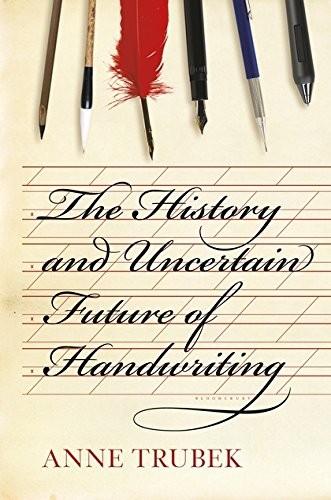
The History and Uncertain Future of Handwriting
by Anne Trubek
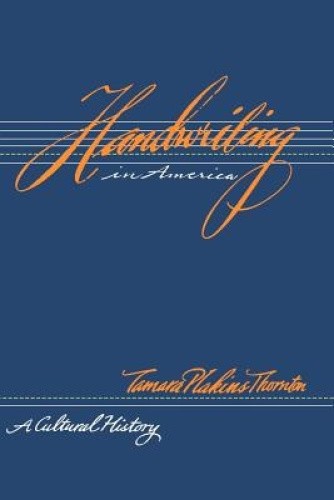
Handwriting in America: A Cultural History
by Tamara Plakins Thornton
As an Amazon Associate, I earn from qualifying purchases.